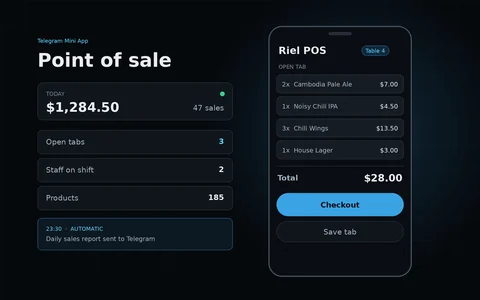
In production Telegram Mini App
Riel POS
A full point-of-sale system that lives inside Telegram. No terminal to buy, no tablet to replace, no per-seat licence.
We build the systems that carry a business day to day: a till that lives inside Telegram, a publishing queue with a human in it, a cold room that wakes someone at 3am. 108 workflows in production right now — and we run most of them ourselves before we sell them to anyone.
Phnom Penh, Cambodia · remote worldwide for software, on site for hardware
Both of these run as Telegram mini apps. No app store, no install, no separate password, no tablet to replace when it dies behind the bar.
A full point-of-sale system that lives inside Telegram. No terminal to buy, no tablet to replace, no per-seat licence.
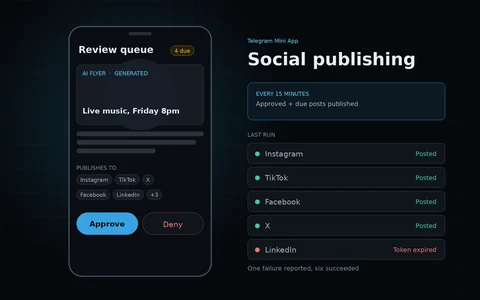
One queue, eight platforms, and a human approval step before anything goes out in your name.
Three divisions, three very different environments, one requirement: it has to keep working when nobody is looking at it.

Point of sale, order intake, invoicing and social publishing — the day-to-day operations of a small business, automated end to end and controlled from Telegram.
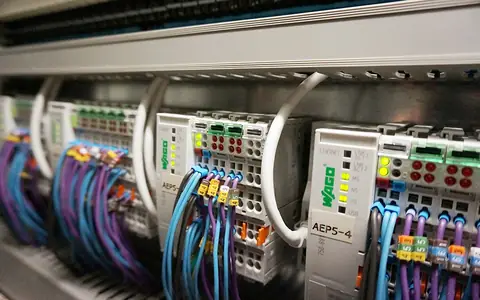
Precision monitoring and control for spaces where temperature is the product: cold rooms, fermentation, server rooms and cellars. Alarms reach a human before stock is lost.
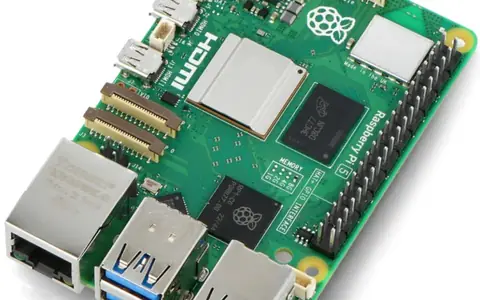
Home Assistant done properly. Local-first, keeps working when the internet does not, and no subscription to a cloud that may be discontinued next year.
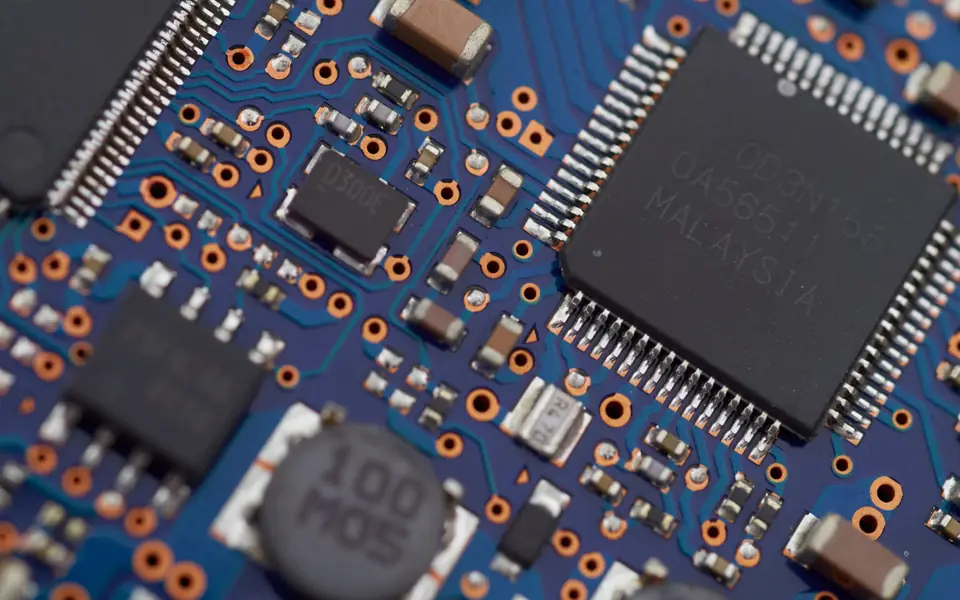
When nothing off the shelf fits, we design the board, write the firmware and integrate it with everything else you run.
Most automation horror stories come from breaking one of these.
Automation that posts in your name without review will eventually embarrass you. Every publishing path we build has a person in it.
Hiding a button is not a permission model. Admin actions are refused at the API by role, so a poked-at request fails the same as a poked-at UI.
A dashboard nobody opens is not monitoring. Alarms escalate to Telegram until a human acknowledges them.
Your server, your database, your credentials, your documentation. Our involvement should be a choice you keep making, not one you cannot unmake.
A call or a Telegram thread about what actually goes wrong in your week. No discovery invoice.
A written scope with a price against it. If the honest answer is that automation is not worth it here, you get that instead.
Built in the open with something to look at early. You see it working before it is finished.
Documentation, credentials in your name, and a walkthrough. You own it whether or not we keep working together.
Both case studies below are our own venues. Nothing here is a pilot we talked someone else into.
A tap house running on Loyverse wanted off the per-till licence without going back to paper. We moved the catalogue and rebuilt the till as a Telegram mini app.
Event promotion was not happening because posting to five apps by hand is a chore nobody picks up. We built a queue with a review step and let a schedule do the rest.
This site used to ship 6.4 MB of images and pull Tailwind from a CDN. What the rebuild actually changed, with numbers.
· 2 min read
Fully automatic social posting eventually publishes something you regret. Here is the queue design that keeps a person in the loop without making it a chore.
· 2 min read
We replaced a per-terminal POS licence with a Telegram mini app. Here is the reasoning, and the parts that are genuinely worse.
· 3 min read
A conversation costs nothing and often ends with us saying automation is not worth it for a given job. That is a useful answer too.